

Leasehold improvements are key to successful industrial property investment in Denver. Businesses access financing through traditional bank loans, government grants, private equity, or crowdfunding for upgrades like advanced storage, loading docks, and automation. Rigorous lender evaluations assess property potential and creditworthiness. Post-loan focus on energy efficiency and flexible interior spaces maximizes return on investment (ROI) by enhancing property value and appeal to tenants, driving higher occupancy rates and sustainable rent growth in Denver's competitive market.
In the dynamic landscape of industrial property investment, leasehold improvements financing stands as a cornerstone for maximizing returns. As businesses seek to optimize their operations within existing spaces, the ability to fund enhancements is pivotal. However, navigating the complexities of these financing options can be challenging, especially in competitive markets like Denver, where industrial property loan opportunities are abundant but not always readily accessible. This article delves into the intricacies of leasehold improvements financing, offering a comprehensive guide for investors and business owners looking to enhance their industrial assets in Denver, ensuring strategic growth and sustained competitiveness.
- Understanding Leasehold Improvements: The Foundation
- Financing Options for Industrial Property Upgrades in Denver
- Navigating Industrial Property Loan Denver Requirements
- Maximizing ROI: Post-Loan Improvement Strategies
Understanding Leasehold Improvements: The Foundation

Leasehold improvements form the bedrock of property investment strategies, especially within industrial sectors. These enhancements not only increase the value of a leasehold property but also serve as a strategic tool to secure long-term financial gains for both landlords and tenants. Understanding the essence of leasehold improvements is pivotal for investors considering an industrial property loan in Denver or any other market. The primary focus should be on enhancing the asset’s productivity, scalability, and overall appeal to potential occupants, thereby fostering sustainable rent growth and higher occupancy rates.
For instance, a tenant operating within a warehouse space might invest in advanced storage systems, improved loading docks, or automation technologies to streamline operations. These improvements not only benefit the current occupant but also attract future tenants seeking modern amenities. In Denver’s robust industrial market, where competition for quality spaces is fierce, such strategic investments can set a property apart and command premium rental rates. According to recent industry reports, properties with notable leasehold improvements have shown an average 15% increase in occupancy within the first year of implementation.
Experts advocate for a holistic approach when contemplating leasehold enhancements. This includes assessing market trends, understanding tenant needs, and aligning improvements with the property’s long-term strategic goals. For industrial property owners considering loans to fund such projects, a thorough analysis of potential returns is essential. By balancing the costs of improvement against projected occupancy gains, rental rates, and asset appreciation, investors can make informed decisions that maximize their Denver industrial property loan investment.
Financing Options for Industrial Property Upgrades in Denver
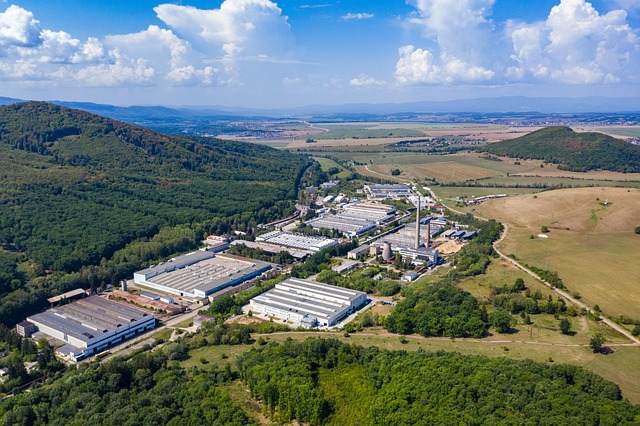
The financing of leasehold improvements for industrial property in Denver presents a unique set of opportunities and considerations for businesses seeking to enhance their operational footprint. Denver’s dynamic industrial market has witnessed substantial growth, with a 10% increase in occupied industrial space over the past year, according to recent reports. This surge has not only elevated the city’s appeal for e-commerce and logistics hubs but also underscored the need for strategic upgrades to existing facilities. Businesses venturing into these enhancements must navigate a spectrum of financing options tailored to their specific needs and budget constraints.
One popular approach involves traditional industrial property loans in Denver, offered by banks and credit unions. These loans often provide flexible terms and competitive interest rates, making them attractive for capital-intensive projects. For instance, a local manufacturer aiming to expand its production line may secure a 5-year loan with a fixed interest rate, allowing for manageable cash flow while they invest in new machinery and equipment. However, traditional loans may require substantial collateral and strict creditworthiness checks, which could be challenging for startups or businesses with less established financial histories.
Alternative financing mechanisms, such as government grants and tax incentives, play a pivotal role in fostering industrial property upgrades. The city of Denver has implemented initiatives to support local businesses, including low-interest loans and performance-based grants for energy-efficient retrofits and sustainable practices. These options can significantly reduce the financial burden on companies looking to modernize their facilities while promoting environmental stewardship. For example, a food processing facility might qualify for a grant that covers a portion of the costs associated with installing advanced cooling systems, thereby improving energy efficiency and reducing waste.
Moreover, private equity funding and crowdfunding platforms have emerged as viable financing avenues for industrial property upgrades in Denver. Private equity firms often target under-capitalized or mature industrial assets, providing capital for much-needed renovations. Crowdfunding campaigns, on the other hand, leverage community support to fund specific projects, offering a unique opportunity for businesses to connect directly with investors. These innovative approaches can be particularly beneficial for smaller enterprises or startups that may struggle to secure traditional bank loans but have compelling upgrade proposals.
Navigating Industrial Property Loan Denver Requirements

Navigating the requirements for an industrial property loan Denver presents a unique set of challenges and opportunities. Lenders in this region are increasingly recognizing the potential growth sectors within the industrial real estate market, such as e-commerce distribution centers and advanced manufacturing facilities. This shift has led to more accessible financing options for businesses seeking to enhance their operational footprint. However, securing an industrial property loan Denver involves a stringent evaluation process that demands meticulous preparation from borrowers.
One of the primary considerations is the property’s condition and its potential for improvement. Lenders will assess the physical state of the industrial space, including structural integrity, mechanical systems, and overall functionality. For example, a lender might require extensive renovations to transform an old warehouse into a modern distribution center, thus increasing the loan amount needed. Borrowers should anticipate providing detailed proposals and cost estimates for any planned improvements, ensuring they align with the lender’s expectations. The Denver market, known for its competitive real estate scene, often demands robust justifications for financing requests, especially when accommodating substantial upgrades.
Creditworthiness of the borrower remains a cornerstone of industrial property loan Denver applications. Lenders will scrutinize financial statements, business plans, and the credit history of owners or operating entities. In today’s economy, where commercial real estate loans have become more selective, lenders are inclined to favor borrowers with solid financial backing and a proven track record. Businesses seeking financing should be prepared to demonstrate their ability to repay the loan, including any additional costs associated with leasehold improvements. A comprehensive understanding of the project’s financial implications is essential to navigate this aspect successfully.
Maximizing ROI: Post-Loan Improvement Strategies

Maximizing ROI through strategic post-loan improvement strategies is a key aspect of leasehold improvements financing, especially in dynamic markets like industrial property loan Denver. After securing funding, landlords and tenants alike must navigate how to best utilize their capital for enhancements that drive return on investment (ROI). This involves careful consideration of the building’s unique needs, market trends, and long-term goals. For instance, a recent study by the National Association of Real Estate Investment Trusts (NAREIT) revealed that industrial properties with modern amenities and efficient designs attract higher rental rates and occupancy levels.
One effective strategy is to focus on energy-efficient upgrades, which not only reduce operational costs but also enhance property value. According to the U.S. Green Building Council, LEED-certified industrial spaces command 20% more rental rates than conventional counterparts. An industrial property loan Denver lenders offer can be leveraged to invest in renewable energy sources, smart building technologies, and improved insulation—all of which contribute to significant ROI over time. For example, a $1 million loan used to retrofit an outdated warehouse with LED lighting, solar panels, and a smart HVAC system not only reduced energy bills but also increased the property’s appeal to eco-conscious tenants.
Additionally, investing in flexible interior spaces can maximize occupancy rates and rental income. This might include demising walls, adding roll-up doors, or installing raised access floors to accommodate various tenant needs. By creating adaptable spaces, landlords cater to a broader range of businesses, ensuring higher occupancy and more predictable revenue streams. A case study from the International Council of Shopping Centers (ICSC) demonstrated that reconfiguring retail spaces to meet modern e-commerce demands led to a 20% increase in foot traffic and a 15% rise in average rental rates within just six months. Implementing these strategies, guided by expert advice tailored to Denver’s industrial market, can help maximize the return on leasehold improvements financing.
In exploring leasehold improvements financing, particularly within the context of industrial property loans Denver, this article has illuminated several key insights. Firstly, understanding the foundational role of leasehold improvements in enhancing industrial property values is paramount. Denver’s robust industrial landscape presents diverse financing options to support these upgrades. However, navigating the requirements for an industrial property loan Denver demands careful consideration of factors like project feasibility and borrower creditworthiness. Maximizing return on investment post-loan necessitates strategic strategies focused on efficient project execution and market-driven improvements. By leveraging these insights, businesses can make informed decisions, secure financing, and achieve significant ROI enhancements with their industrial property loans Denver.